

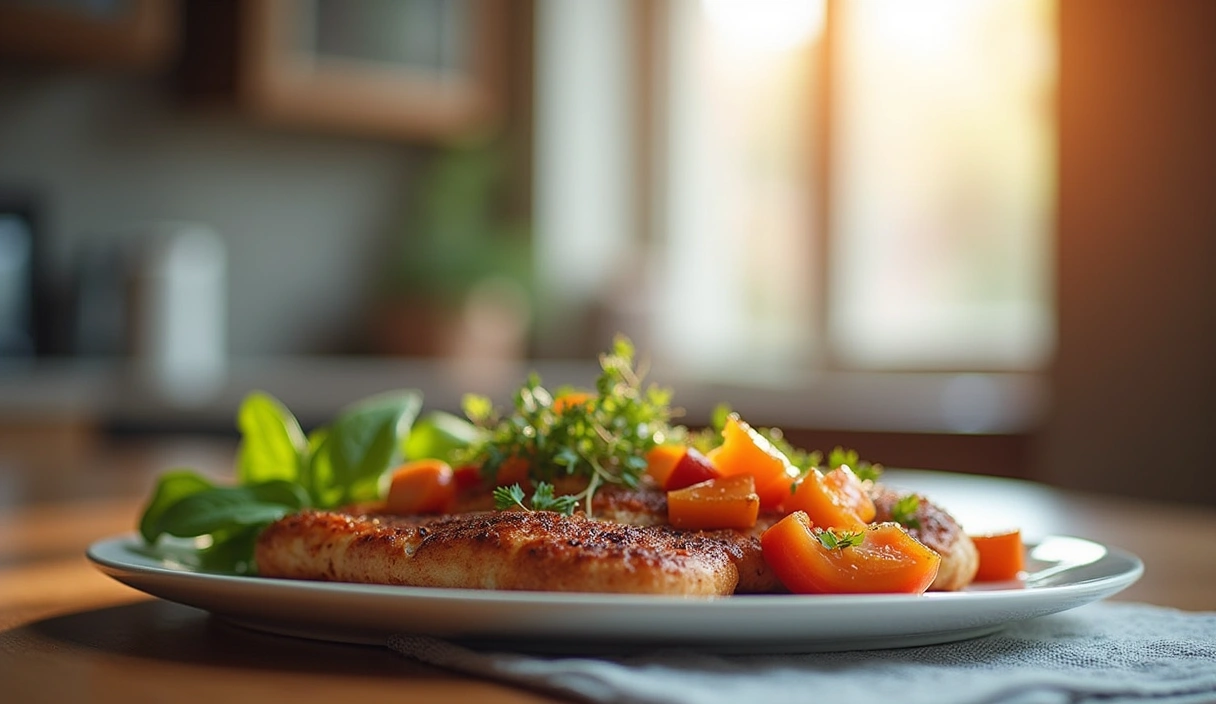
It was 5 p.m. on a Tuesday. The writer had picked up the kids from school, dropped them at golf, worked through a backlog of emails, finished a blog post, written an Instagram caption, and returned for golf pickup. As soon as they got in the car, one of them asked: What’s for dinner?
She thought about ordering takeout again but had done that the night before. The suggestion of breakfast for dinner was rejected. The last thing she wanted was to drive to the grocery store and start from scratch. She said it sometimes feels like too much to think of something to cook night after night. And she actually loves cooking. The kitchen is one of her happiest places. So resenting her children for being hungry felt like a problem worth solving.
She realized the issue is not really about dinner. It is about decision fatigue. The invisible mental load of reinventing the meal every night, accounting for different moods and preferences, on top of an already full day. By 5 p.m., her brain is tapped and cannot handle another open-ended question.
Instead of yelling into the void, she built a system. She described it as a simple framework that does the thinking ahead of time. By dinner time the decisions are already made. She said it is not meal prep or a meal plan. It is a rhythm. Once you have it, weeknight dinners start to feel less like a daily crisis and more like something you can enjoy again.
In the full post, she pulls back the curtain on the dinner recipes that are part of her current lineup, how to shop, plan, and prep for them in a way that is feasible and non-stressful, and the simple filter she uses on nights when she cannot make another decision.
Unlock the full post here for the system she uses to take the stress out of weeknight dinners. She breaks down the simple structure that helps her plan, shop, and answer the nightly question without scrambling. The full article is available on her Substack.
